
Al di là di un dubbitu ragionevule

.jpeg)


Language


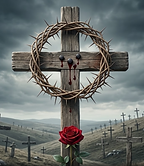


The True Gospel
e


The spiritual path begins with a direct call from Yeshua: “Repent, for the kingdom of heaven is at hand.” This imperative is the doorway to salvation—a foundational, inward shift away from sin and a fallen world, and a redirection of the heart toward the sovereign authority of God.
-
Matthew 4:17 — “From that time Jesus began to preach, and to say, ‘Repent: for the kingdom of heaven is at hand.’”
-
Mark 1:15 — “And saying, ‘The time is fulfilled, and the kingdom of God is at hand: repent ye, and believe the gospel.’”
2. The Doorway: Water Baptism and the Holy Spirit
Following the resurrection and ascension of Yeshua, Peter declared the active steps of covenant entry at Pentecost: turning in repentance, being buried with Messiah in baptism, and receiving divine empowerment through the Spirit.
-
Acts 2:38 — “Then Peter said unto them, ‘Repent, and be baptized every one of you in the name of Jesus Christ for the remission of sins, and ye shall receive the gift of the Holy Ghost.’”
-
John 3:5 — “Jesus answered, ‘Verily, verily, I say unto thee, Except a man be born of water and of the Spirit, he cannot enter into the kingdom of God.’”
3. The Blood: Grafted into the Commonwealth of Israel
By the blood shed on the tree, the dividing wall of hostility was torn down. Nations once alienated from the promises and covenants are brought near and grafted as wild olive branches into the root of Israel.
-
Ephesians 2:12–13 — “That at that time ye were without Christ, being aliens from the commonwealth of Israel, and strangers from the covenants of promise, having no hope, and without God in the world: But now in Yesgua messiah ye who sometimes were far off are made nigh by the blood of Christ.”
-
Romans 11:17 — “And if some of the branches be broken off, and thou, being a wild olive tree, wert graffed in among them, and with them partakest of the root and fatness of the olive tree.”
4. The Commission: Gathering Others into the Harvest
Salvation is not walked in isolation; a grafted branch bears fruit. Believers are commanded to act as fishers of men and ambassadors, working to gather the lost into the Father’s house before the end.
-
Matthew 28:19–20 — “Go ye therefore, and teach all nations, baptizing them in the name of the Father, and of the Son, and of the Holy Ghost: Teaching them to observe all things whatsoever I have commanded you.”
-
Matthew 9:37–38 — “Then saith he unto his disciples, ‘The harvest truly is plenteous, but the labourers are few; Pray ye therefore the Lord of the harvest, that he will send forth labourers into his harvest.’”
-
Luke 14:23 — “And the lord said unto the servant, ‘Go out into the highways and hedges, and compel them to come in, that my house may be filled.’”
5. The Perseverance: Holding Fast Until the End
The culmination of salvation requires endurance through trials, testing, and persecution. The promise of the eternal crown belongs to those who do not turn back.
-
Matthew 24:13 — “But he that shall endure unto the end, the same shall be saved.”
-
Hebrews 10:35–36 — “Cast not away therefore your confidence, which hath great recompence of reward. For ye have need of patience, that, after ye have done the will of God, ye might receive the promise.”
-
Revelation 2:25–26 — “But that which ye have already hold fast till I come. And he that overcometh, and keepeth my works unto the end, to him will I give power over the nations.”
U veru Vangelu
Nisuna parte in l'Scrittura ùn dice Yeshua chì l'evangelu hè di ellu chì vene à more per i nostri peccati.
Chì hà predicatu Yeshua?
Parechje seranu sconvolti per sapè chì a Bibbia definisce l'evangelu in modu diversu da ciò chì anu sempre dettu. Una lettura approfondita mostra chì l'accettà u sangue di Cristu in pagamentu di i nostri peccati - cum'è fundamente impurtante cum'è hè - ùn hè in realtà micca u focu di a "bona nutizia" chì hà purtatu è chì l'apòstuli cuntinuavanu à pridicà. In più di mori per i nostri peccati, Yeshua hè ghjuntu à a terra cum'è un messaggeru di Ghjehova u Babbu:
A bona nutizia hè chì Ghjehova hà urdinatu à Yeshua per annunzià a venuta di u so regnu quì nantu à a terra.
-
Ghjuvanni 8:38 Parlu di ciò chì aghju vistu cù u mo Babbu, è fate ciò chì avete intesu da u vostru babbu.
-
Ghjuvanni 12: 49-50 Perchè ùn aghju micca parlatu nantu à a mo propria autorità, ma u Babbu chì m'hà mandatu m'hà datu ellu stessu un cumandamentu - chì dì è chì parlà. 50 È sò chì u so cumandamentu hè a vita eterna. Ciò chì dicu, dunque, dicu cum'è u Babbu m'hà dettu ".
-
Ghjuvanni 14:24 Quellu chì ùn mi ama ùn guarda micca e mo parolle. È a parolla chì vo sente ùn hè micca a meia, ma i Babbi chì m'hà mandatu.
-
Luke 4:43 Yeshua li disse: "Devu pridicà u regnu di u Signore à u Signore.
altre cità ancu, perchè per questu scopu sò statu mandatu ".
Mentre chì Yeshua era categuricamente l'individuu più impurtante chì hà mai marchjatu sta terra, a Bibbia mostra chjaramente chì l'evangelu purtatu da Yeshua ùn era micca solu di ellu stessu. Leghjite e so dichjarazioni, è pruvate questu per voi stessu:
-
Matteu 9:35 Yeshua passava per tutte e cità è i paesi, insignendu in e so sinagoghe, predicendu u Vangelu di u regnu, è guarì ogni malatia è malatia. 36 Quand'ellu vide a folla, fù commossu di cumpassione per elli, perchè eranu inghjuliati è impotenti, cum'è pecure senza pastore.…
-
Marcu 1:14-15 Dopu chì Ghjuvanni fù messu in prigiò, Ghjesù ghjunse in Galilea, predicendu
u Vangelu di u Regnu di Diu, è dicendu: "U tempu hè cumpletu, è u Regnu di Diu hè vicinu. Pentite, è crede in u Vangelu".
43
-
Luke 8:1 Dopu, dopu, Ghjesù andò per ogni cità è paese, predicendu è purtendu a bona nova [vangelu] di u regnu di Diu.
-
Luke 16:16 A lege è i prufeti eranu finu à Ghjuvanni. Da quellu tempu, u regnu di Diu hè statu pridicatu, è tutti s'impegnanu.
-
Matteu 24:14 È hè più faciule per u celu è a terra per passà chè per un titulu di a lege per fallu. È stu Vangelu di u regnu serà pridicatu in tuttu u mondu cum'è un tistimunianza à tutte e nazioni, è dopu vene a fine.
L'annunziu di "bona nutizia" - a megliu nutizia chì puderia esse intesa oghje - chì u Babbu hà datu per mezu di Yeshua, era di u so Regnu chì hè statu stabilitu nantu à a terra. Chì ghjè un regnu ?
Hè essenzialmente una nazione, cù tutti i so citadini, a terra è e lege, guvernata da un guvernu. In l'usu biblicu, un regnu pò ancu significà una famiglia da un parente unicu cultivatu in una nazione.
Un regnu hà quattru elementi basi:
-
un rè, un capu supremu o un agentu di guvernu;
-
u tarritoriu, cù u so locu specificu è e linee di cunfini definite;
-
suggetti o citadini in quella giurisdizione territuriale;
-
e liggi è una forma di guvernu per via di quale a vulintà di u guvernatore hè esercitata. Sè avemu ignurà unu di sti elementi essenziali-s'è no ignurà u missaghju chì Yeshua purtatu da u Babbu-avemu una fede distorted, unu chì ùn purterà salvezza.
Quale Sarà Re ?
Ùn ci pò esse dubbitu chì u Rè di u Regnu di Diu serà Yeshua. Ancu s'ellu ùn hà micca esercitatu alcuna autorità civile mentre era nantu à a terra, quandu ellu torna, serà "Rè di rè è Signore di signori" I Timothy 6:15; Revelazione 19:16; 17:14).
L'altri prufeti anu ancu predicatu di un rè chì vene, micca solu d'Israele è Ghjuda, ma ancu stendu à u mondu sanu. Isaia ci dice:
Perchè à noi un Figliolu hè natu, à noi un Figliolu hè datu; è u guvernu sarà nantu à a so spalla. È u so nome serà chjamatu Meravigliu, Cunsigliu, Diu putente, Babbu eternu, Principe di a pace. Di l'aumentu di u so guvernu è di a pace ùn ci sarà fine, nantu à u tronu di David è sopra u so regnu, per urdinà è stabiliscenu cù ghjudiziu è ghjustizia da quellu tempu in avanti, ancu per sempre. U zelu di u Signore di l'armata farà questu. (Isaia 9: 6-7)
Induve serà stabilitu u Regnu ? Una falsità dominante chì Satana hà impostu à l'umanità hè a crede chì l'ànima va in u celu dopu a morte. Parechje persone assume chì a frasa Regnu di Diu hè sinonimu di u celu, ma a Bibbia insegna chì quandu Yeshua torna, u Regnu di Diu serà stabilitu nantu à a terra!
Prima, nutate cumu a Bibbia refuta cumplettamente a nuzione di "andà in u celu" dopu a morte. Petru dice à a folla u ghjornu di Pentecoste: "Omi è fratelli, lasciami parlà liberamente à voi di u patriarca David, chì hè mortu è intarratu, è a so tomba hè cun noi finu à oghje.
.. Perchè David ùn hà micca ascendutu in i celi "(Atti 2: 29, 34). Stu "omu dopu à u core di Diu" ùn hè micca in u celu, ma ancu in a tomba! U nostru Salvatore cunfirma questu in
-
Ghjuvanni 3:13: "Nimu ùn hè ghjuntu à u celu, ma quellu chì hè falatu da u celu, vale à dì u Figliolu di l'omu chì hè in u celu".
-
Ecclesiaste 9: 5,10 I santi morti di l'Anticu è di u Novu Testamentu dormenu in e so tomba, aspittendu a risurrezzione - senza cuscenza.
-
Job 14: 14-15 Job descrive l'aspittà di a risurrezzione in questu modu: "Se un omu mori, hà da campà di novu? Tutti i ghjorni di u mo serviziu duru, aspittaraghju, finu à chì u mo cambiamentu vene. rispondimi.
-
Apocalisse 5:10, "E li avete fattu un regnu (razza reale) è sacerdoti à u nostru Diu, è regnaranu nantu à a terra!"
-
Apocalisse 11:15 Allora u settimu ànghjulu sonò: È ci era una voce forte in u celu, chì dicenu; "I regni di stu mondu sò diventati i regni di u nostru Ghjehova è u so Figliolu, è ellu regnerà per sempre è per sempre!"
-
Revelazione 21:21. È aghju vistu un novu celu è una nova terra, perchè u primu celu è a prima terra era passatu. Inoltre ùn ci era più mare. Allora eiu, Ghjuvanni, aghju vistu a cità santa, a Nova Ghjerusalemme, falà da u celu da Diu, preparata cum'è una sposa adornata per u so maritu. È aghju intesu una voce forte da u celu chì diceva: "Eccu, u tabernaculu di Diu hè cù l'omi, è ellu abitarà cun elli, è seranu u so populu. Diu stessu serà cun elli è serà u so Diu. È Diu sguasserà. caccià ogni lacrima da i so ochji, ùn ci sarà più morte, nè dolore, nè chianci, ùn ci sarà più dolore, perchè e cose prima sò passate.
…
-
Revelazione 21: 1 Quellu chì vincerà eredite tutte e cose, è seraghju u so Diu, è ellu serà u mo figliolu. " Quale sò i Sughjetti è i Cittadini di u Regnu ? Ancu s'è u mondu sanu serà guvernatu da Yeshua quand'ellu stabilisce u Regnu in a terra, micca tutti nantu à a terra sarà un citadinu di quellu Regnu.Ognunu sarà sottumessu à u Rè di i rè, ma micca tutti sò entrati in quellu Regnu spirituale.
-
Ghjuvanni 3:3 Yeshua hà revelatu sta verità à Nicodemu. Quandu Nicodemu ghjunse à ellu di notte, Yeshua li disse: "U più sicuru, vi dicu, à menu chì unu hè natu di novu, ùn pò micca vede u regnu di Diu".
-
I Corinti 15:50. Paul hà dettu à i Corinti "a carne è u sangue [umani mortali] ùn ponu micca eredite u regnu di Diu; nè a corruzzione eredite l'incorrupzione" Mentre avemu un corpu fisicu, carne è sangue, pudemu esse eredi di u Regnu, ma ùn pudemu micca entre. pienamente in u Regnu, nè pudemu vede, finu à chì diventemu spiritu - datu un corpu gloriosu cumpostu di spiritu in a risurrezzione.
Questu significa chì, ancu s'è tutta l'umanità serà sottumessu à u Regnu chì Yeshua guvernarà nantu à a terra, ùn saranu micca necessariamente una parte di questu.
Matteu 25: 31-34 Quandu u Figliolu di l'omu vene in a so gloria, è tutti i santi anghjuli cun ellu, allora ellu si mette nantu à u tronu di a so gloria. Toutes les nations seront rassemblées devant lui, et il les séparera les unes des autres, comme un berger sépare ses brebis des chèvres. È ellu metterà e pecure à a manu diritta, ma i capri à a manca. Allora u Rè dicerà à quelli chì sò à a so manu diritta: "Venite, benedetti di u mo Babbu, eredite u regnu preparatu per voi da a fundazione di u mondu". U Regnu di Diu, dunque, serà guvernatu da Yeshua, è serà ereditatu da quelli chì sò stati glurificati dopu esse risuscitati da i morti. I santi risuscitati - i citadini di u Regnu di Diu - guvernaranu inseme
Yeshua nantu à i populi restanti di a terra (Daniel 7:27; II Timothy 2:12; Revelation 2:26-28; 5:9-10; 20:4-6; 22:5). Chì sò e Leggi di u Regnu ?
-
Ghjudici 21:25. A lege hè solu una guida per e persone à seguità per assicurà a coesione, l'accordu è a pace in e relazioni civili è interpersonali. Senza un standard capitu, infurzatu da un regnu sovranu, ognunu agisce secondu u so propiu capriccio o desideriu, è nunda di bonu o di valore ùn saria pruduttu. U Regnu di Diu ùn hè micca sfarente.
-
I Corinthians 14:33 Diu ùn hè micca l'autore di cunfusione. U so Regnu serà pacificu è urdinatu perchè tutti quelli chì entreranu in ellu si sò vuluntariamente sottumessi à a lege - i cumandamenti - di Diu. Diu ùn averà nimu in u so Regnu chì dimustrà, da u mudellu di a so vita, ch'ellu ùn ubbidrà micca.
-
(Matteu 7: 21-23; Ebrei 10: 26-31). Apocalisse 12:17 descrive i santi cum'è quelli "chì guardanu i cumandamenti di Diu è anu a tistimunianza di Yeshua.
Queste duie dichjarazioni - amassi à Diu è amassi u vostru vicinu cum'è sè stessu - incapsulate i primi quattru è l'ultimi sei cumandamenti rispettivamente. I cumandamenti solu definiscenu più cumu amà à Diu è amà l'omu. Amemu à Diu in generale, mettendulu prima, per ùn aduttà l'aiuti fisichi in adurà ellu, per ùn purtendu u so nome in vanu, è per mantene u sabatu di u settimu ghjornu santu. Amemu l'omu, in generale, onorendu i nostri genitori, micca assassinendu, micca adulteriu, micca arrubbatu, micca mentindu, è micca brama.
-
Ghjuvanni 14:15 "Se mi amate, guardate i mo cumandamenti. "Quellu chì hà i mo cumandamenti è i guarda, hè quellu chì mi ama. mè stessu à ellu ". "Se qualchissia mi ama, guardarà a mo parolla, è u mo Babbu l'amerà, è avemu da vene à ellu è facemu a nostra casa cun ellu. Quellu chì ùn mi ama ùn guarda micca e mo parolle, è a parolla chì sente. ùn hè micca u mio, ma i babbi chì m'hà mandatu ".
The Gospel (in Hebrew, the Besorah—"good news") that Yeshua (Jesus) personally preached is summarized in Mark 1:14–15:
"Now after John was put in prison, Yeshua came to Galilee, preaching the gospel of the kingdom of God, and saying, 'The time is fulfilled, and the kingdom of God is at hand. Repent, and believe in the gospel.'"
While modern ears often hear "the gospel" defined exclusively as the mechanics of individual salvation (how to go to heaven when you die), Yeshua’s proclamation was broader, deeper, and grounded in the Hebrew Scriptures: the Gospel of the Kingdom of God (Besorat HaMalkhut).
He announced that the sovereign rule, authority, and covenant reign of the Creator had broken directly into this fallen world through the King Himself.
1. "The Time is Fulfilled" (Prophetic Arrival)
When Yeshua said the time was fulfilled, He was speaking to a nation longing for deliverance. The prophecies of Daniel (the timeline of Daniel 9 and the stone that crushes the kingdoms of the world in Daniel 2) and Isaiah were reaching their climax.
In Luke 4:18–19, He opened the scroll of Isaiah 61 in the Nazareth synagogue to define His mandate:
-
Preaching good tidings to the poor and humble.
-
Healing the brokenhearted.
-
Proclaiming liberty to the captives and the opening of prison to those who are bound.
-
Proclaiming the acceptable year of the Lord (the ultimate Jubilee release from sin and debt).
-
2. "The Kingdom of God is at Hand" (The Core Proclamation)
Yeshua did not preach an abstract philosophy; He preached an active government and reign:
-
Sovereignty over the Kingdom of Darkness: Every time Yeshua cast out a demon, healed incurable diseases, or raised the dead, He was demonstrating that Satan’s usurpation of the earth was being overthrown. "If I cast out demons by the finger of God, surely the kingdom of God has come upon you" (Luke 11:20).
-
The Nature of the King’s Reign: His kingdom was not of this worldly system—it did not advance through political intrigue, violence, or human armies (John 18:36). Instead, it advanced through truth, sacrificial love, humility, and righteousness.
-
Present and Future: The Kingdom is already here in the hearts and walk of those who submit to the King, and it is yet to come in its physical, global fullness when the King returns to establish His reign in Jerusalem (Zechariah 14; Revelation 11:15).
-
3. "Repent" (Teshuvah — A Complete Return)
To enter this Kingdom, the requirement was not a passive intellectual nod, but Teshuvah—a radical turning around:
-
Turning from Self-Rule to God's Rule: Repentance means laying down rebellion, secular autonomy, and false religious pretenses.
-
Internalizing the Commandments: In the Sermon on the Mount (Matthew 5–7), Yeshua explained the constitution of the Kingdom. He made it clear that He did not come to abolish the Law or the Prophets, but to fill them to the full (Matthew 5:17). Kingdom repentance goes beyond external legalism to the motives of the heart—eradicating lust, hatred, pride, and greed.
-
Fruit of Repentance: Just as John the Baptist warned, Yeshua taught that true repentance always bears observable, righteous fruit (Matthew 7:16–21).
-
4. "Believe in the Good News" (Covenant Faith & Allegiance)
In the biblical mindset, "belief" (emunah) is not merely agreeing that God exists; it is active loyalty, trust, and obedience to the King:
-
Trusting the Father’s Provision: Ceasing to worry about food, drink, and clothing like the nations do, but rather "seeking first the kingdom of God and His righteousness, and all these things shall be added to you" (Matthew 6:33).
-
Trusting the Sacrifice of the Son: Yeshua taught that He came "not to be served, but to serve, and to give His life a ransom for many" (Mark 10:45). The Good News is that the King took the curse of our disobedience upon Himself at Passover, shedding His blood to ratify the New Covenant (Matthew 26:28).
-
Victory Over the Grave: Yeshua promised that whoever hears His word and believes Him who sent Him has passed from death into life (John 5:24), anchored by His own resurrection as the firstfruits from the dead.
-
5. Summary: What Entering the Gospel Requires
In Yeshua's own words, walking in the Gospel means:
-
Denying Self: "If anyone desires to come after Me, let him deny himself, and take up his cross daily, and follow Me" (Luke 9:23).
-
Obeying the Father's Will: "Not everyone who says to Me, 'Lord, Lord,' shall enter the kingdom of heaven, but he who does the will of My Father in heaven" (Matthew 7:21).
-
Loving God and Neighbor: Loving the Lord with all your heart, soul, mind, and strength, and loving your neighbor as yourself (Mark 12:29–31).
-
Proclaiming the Kingdom to All Nations: "And this gospel of the kingdom will be preached in all the world as a witness to all the nations, and then the end will come" (Matthew 24:14).
In short, the Gospel Yeshua taught is the royal proclamation that God’s reign has arrived in His Messiah, calling every human heart to turn away from sin, enter covenant peace with the Father through the Son, and live as an obedient citizen of His eternal Kingdom.
In ancient kingdoms, when a king ascended his throne, he issued a royal charter or legal code declaring how his realm would be governed and what was expected of his subjects. In Matthew 5–7, Yeshua goes up on a mountain—echoing Moses ascending Mount Sinai—sits down in the posture of a reigning king and teacher, and delivers the manifesto of His newly inaugurated reign.
The Sermon on the Mount is not an impractical, idealistic philosophy, nor is it a checklist to earn salvation. It is the living, practical constitution of the Kingdom of God, dictating the character, inner motives, ethics, and daily allegiance required of every citizen walking under Messiah's rule.
1. The Preamble: The Citizen’s Internal Disposition (The Beatitudes)
Any national constitution opens with foundational values. Earthly empires prize military conquest, political clout, wealth, and self-assertion. Yeshua begins His charter (Matthew 5:3–12) by turning the world's value system completely upside down:
-
Poor in Spirit: Recognizing total spiritual bankruptcy and utter dependence on the King.
-
Mourning: Grieving over personal sin and the brokenness of a fallen world.
-
Meekness: Possessing harnessed strength, patience, and humility rather than violent ambition.
-
Hunger for Righteousness: Longing for God’s righteous order to prevail more than craving food or physical comfort.
-
Mercy and Purity of Heart: Extending forgiveness and maintaining undivided, uncorrupted loyalty to God.
-
Peacemaking: Actively reconciling estranged parties, reflecting the character of the Father.
These are not separate groups of people receiving different rewards; together, they describe the temperament of the citizen who has laid down self-rule.
2. The Citizen’s Public Office: Salt and Light
Citizens of the Kingdom do not live in isolationist enclaves; they are embedded directly into a decaying and dark culture (Matthew 5:13–16):
-
Salt of the Earth: In antiquity, salt was a preservative that arrested rot and decay. Kingdom citizens preserve truth, hold back moral corruption, and bring spiritual flavor to the societies they inhabit.
-
Light of the World: Light exposes danger and guides the traveler. Believers do not hide their allegiance to the King; their visible, tangible good works shine so that observers give glory directly to the Father.
-
3. The Legal Standard: Fulfilling and Internalizing the Law
In Matthew 5:17–20, Yeshua establishes the legal framework of His government, dispelling any thought of lawlessness or anarchy:
"Do not think that I came to destroy the Law or the Prophets. I did not come to destroy but to fulfill. For assuredly, I say to you, till heaven and earth pass away, one jot or one tittle will by no means pass from the law till all is fulfilled."
To "fulfill" (pleroo) in Hebrew thought means to bring the law to its fullest intended meaning and expression, not to abolish it. Yeshua contrasts the superficial, external legalism of the religious establishment with the King’s internal standard. Through a series of six antitheses ("You have heard that it was said... but I say to you"), He shows that the King's law governs the thoughts and desires before an act is ever committed:
-
Murder vs. Contempt: It is not enough to refrain from physical murder; harboring bitter anger, resentment, or hurling venomous insults (Raca) makes one liable to judgment (5:21–26).
-
Adultery vs. Lust: Purity is not just refraining from physical unfaithfulness; looking with covetous intent is adultery in the heart (5:27–30).
-
Oaths vs. Total Integrity: Citizens do not need elaborate religious oaths or legal loopholes to verify their truthfulness; their word is their bond—their "Yes" means yes, and their "No" means no (5:33–37).
-
Retaliation vs. Sacrificial Generosity: Rather than demanding immediate vengeance ("an eye for an eye"), citizens yield personal rights, go the extra mile, and overcome evil with good (5:38–42).
-
Love for Enemies: The ultimate test of Kingdom citizenship is reflecting the Father’s indiscriminate benevolence—praying for persecutors and blessing those who curse you (5:43–48).
-
4. Public Duty & Worship: Sincerity Over Religious Theater
In Matthew 6, Yeshua regulates the three primary pillars of personal religious duty: giving, prayer, and fasting. In earthly systems, piety is often weaponized for social prestige. In the Kingdom, performance art is condemned:
-
Secret Giving (Alms): Giving to the needy without sounding a trumpet or announcing tax write-offs; the left hand does not know what the right is doing.
-
Secret Prayer: Communing behind closed doors with the Father, rather than reciting vain, repetitive words to impress bystanders. He provides the Model Prayer (the Lord's Prayer), teaching citizens to align their desires with the Father’s name, His kingdom coming, and His will being done on earth.
-
Secret Fasting: Anointing the head and washing the face so that the physical affliction of fasting is unseen by men, directed only to the Father who sees in secret.
-
5. The Economic System: Trust, Not Striving
Every kingdom has an economy. The economy of the world is driven by fear, scarcity, hoarding, and status anxiety. The Kingdom of God operates on radical faith in divine provision (Matthew 6:19–34):
-
Currency: True wealth is not stored in physical barns, bank vaults, or commodities where moth and rust destroy; it is stored in heaven through generous, righteous living.
-
Singular Focus: A servant cannot serve two masters. You cannot pledge allegiance to the Creator while serving Mammon (wealth/money).
-
Freedom from Worry: Citizens do not sweat and panic over daily bread or clothing like the pagans do. The King feeds the birds of the air and clothes the lilies of the field. The citizen's sole operational directive is:
"Seek first the kingdom of God and His righteousness, and all these things shall be added to you." (Matthew 6:33)
6. Relational Protocol: Righteous Discernment Without Self-Righteous Condemnation
In Matthew 7:1–12, Yeshua sets the rules for how citizens treat one another:
-
The Spec and the Log: Before attempting to perform delicate eye surgery on a brother’s fault, remove the massive log of blind self-righteousness from your own eye.
-
Holy Discernment: While judgment is warned against, discernment is commanded—do not cast pearls before swine or give what is sacred to dogs.
-
Persistent Petitions: Keep asking, seeking, and knocking, trusting that the Father gives good gifts to His children.
-
The Royal Rule (The Golden Rule): "Whatever you want men to do to you, do also to them, for this is the Law and the Prophets." (Matthew 7:12)
-
7. The Ratification: Hearing vs. Doing
A constitution is useless if it is merely read and debated rather than obeyed. Yeshua concludes His address with four sobering warnings demanding personal allegiance:
-
Two Gates: The wide, crowded gate leading to destruction versus the narrow, difficult gate leading to life (7:13–14).
-
Two Trees: True prophets and false prophets, known not by their charisma or titles, but by their actual fruit (7:15–20).
-
Two Confessions: Warning that crying "Lord, Lord" or performing signs in His name is worthless if one practices lawlessness (anomia). Only those who do the will of the Father will enter (7:21–23).
-
Two Foundations: The sermon ends with a dramatic builder’s test. The person who hears these words and builds on them is a wise man who digs deep and anchors his house on the solid bedrock. When the storms, floods, and winds beat against that life, it stands firm. The person who hears and does not obey builds on shifting sand—and great is the fall of it (7:24–27).
-
When Yeshua concluded, the crowds were astonished. He did not quote human traditions or cite precedent like the scribes; He spoke as the Lawgiver and King Himself, laying down the permanent, unalterable rule of life for all who call Him Lord.