
Al di là di un dubbitu ragionevule

.jpeg)


Language


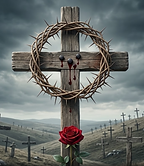


"Not everyone who says to me, 'Lord, Lord,' will enter the kingdom of heaven, but only the one who does the will of my Father who is in heaven." (Matthew 7:21)
The New Testament directly addresses this contradiction, stating that claiming to know Yeshua while deliberately living in direct opposition to His teachings is a hollow profession. Scripture treats a person's life and conduct as the true evidence of what they actually believe.
What Scripture Says About Contradictory Claims
A False Claim of Fellowship
The Apostle John stated that words cannot mask a persistent lifestyle of disobedience:
John 3:36
36 Whoever believes in the Son has eternal life, but whoever rejects the Son will not see life, for God’s wrath remains on them.
"If we claim to have fellowship with him and yet walk in the darkness, we lie and do not live out the truth." (1 John 1:6)
"Whoever says, 'I know him,' but does not do what he commands is a liar, and the truth is not in that person." (1 John 2:4)
Profession vs. Practice
The Apostle Paul addressed individuals who claimed religion outwardly while their daily behavior denied it:
"They claim to know God, but by their actions they deny him. They are detestable, disobedient and unfit for doing anything good." (Titus 1:16)
The Tree and Its Fruit
Yeshua taught that identity is revealed by outcome, not self-labeling:
"Likewise, every good tree bears good fruit, but a bad tree bears bad fruit. A good tree cannot bear bad fruit, and a bad tree cannot bear good fruit... Thus, by their fruit you will recognize them." (Matthew 7:17–20)
Calling Him "Lord" Without Doing What He Says
Yeshua challenged those who used His name without following His instruction:
"Why do you call me, 'Lord, Lord,' and do not do what I say?" (Luke 6:46)
"Not everyone who says to me, 'Lord, Lord,' will enter the kingdom of heaven, but only the one who does the will of my Father who is in heaven." (Matthew 7:21)
Why Does This Disconnect Happen?
Cultural or Hereditary Religion: Many identify as followers simply because of family tradition, geography, or cultural background, treating faith as a heritage rather than a personal covenant and discipleship.
Intellectual Assent Without Regeneration: A person may mentally agree that Yeshua existed, or even that the Scriptures are true, while never actually yielding their will, repenting of sin, or submitting to Yeshua's lordship. As James writes, "Even the demons believe that—and shudder" (James 2:19).
Deception and Hypocrisy: Some knowingly project an outward image of piety for social respect, personal gain, or self-flattery, exactly as the Pharisees did (Matthew 23:27–28).
A Twisted View of Grace: Some treat God's grace as a license to sin, presuming that forgiveness removes the obligation to live righteously. Jude warns against those who "pervert the grace of our God into a license for immorality" (Jude 1:4).
Stumbling vs. Living in Opposition
Scripture makes a clear distinction between a true disciple who stumbles into sin and someone whose life is characterized by deliberate, unrepentant rebellion:
A genuine believer still battles human weakness, but when they fall, they acknowledge it, repent, and seek forgiveness (1 John 1:8–9).
An empty claim is marked by persistent, unrepentant rebellion—walking in continuous opposition to Yeshua while continuing to claim His name.
According to Scripture, someone living in persistent opposition to Yeshua may possess a title, an emotional memory, or an intellectual opinion, but they do not possess the reality of abiding in Him.