top of page

Al di là di un dubbitu ragionevule

.jpeg)


Language


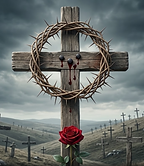


Day of atonement
The Day of Atonement (Yom Kippur, יוֹם כִּפּוּר) is the most solemn and holy day on the biblical calendar. Commanded in Leviticus 16, Leviticus 23:26–32, and Numbers 29:7–11, it takes place on the 10th day of the seventh month (Tishrei).

The Day of Atonement—called Yom Kippur in Hebrew—is the most solemn and holy day on the biblical calendar. Observed on the 10th day of the seventh biblical month (Tishrei) from sundown to sundown, it is designated in Scripture not as a day of feasting or recreation, but as a Sabbath of solemn rest (Shabbat Shabbaton) dedicated to fasting, heartfelt repentance, and drawing near to God's holiness (Leviticus 23:26–32, Leviticus 16).
For believers in the New Covenant, Yom Kippur is approached with deep reverence and profound thanksgiving: we remember the seriousness of sin while rejoicing that Yeshua (Jesus), our great High Priest, entered the heavenly Holy of Holies once for all with His own blood to secure eternal redemption (Hebrews 9:11–14).
1. The Core Biblical Instructions
God gave specific commands for observing this day (Leviticus 23:27–32; Numbers 29:7):
The Timing: Begins at sundown on the 9th day of Tishrei and continues until sundown on the 10th day—a complete 24-hour cycle.
Afflict Your Souls (Anitem Et Nafshoteichem): In Scripture, "afflicting the soul" consistently refers to complete fasting—abstaining from food and water (Psalm 35:13; Isaiah 58:3, 5; Ezra 8:21; Acts 27:9, where Luke refers to Yom Kippur simply as "the Fast").
Absolute Cessation from Labor: Yom Kippur is the only appointed time besides the weekly Sabbath referred to as a Shabbat Shabbaton (a Sabbath of complete desistance). Unlike other festival days where preparing food is permitted, on Yom Kippur no work of any kind is done.
A Holy Convocation (Mikra Kodesh): Believers gather corporately for intercession, confession of sin, and the reading of Scripture.
2. The Prophetic and Messianic Meaning
In the Old Covenant (Leviticus 16), the High Priest alone entered beyond the veil into the Most Holy Place once a year, bearing the blood of a goat for the sins of the nation and confessing the iniquities of Israel over the scapegoat (Azazel), which carried their sins into the wilderness.
In the New Covenant, the Book of Hebrews explains how Messiah completely fulfilled this pattern:
The Spotless Atonement: Yeshua was both the unblemished offering and the Scapegoat who bore our sins far away outside the camp (Hebrews 13:11–12; 1 Peter 2:24).
The Eternal High Priest: He did not enter an earthly sanctuary made with hands, but entered the presence of God the Father on our behalf (Hebrews 9:24–28).
The Torn Veil: When Yeshua gave up His spirit, the veil of the temple was torn in two, granting every believer bold access to the throne of grace through His atoning blood (Hebrews 10:19–22).
Future Prophecy: Prophetically, Yom Kippur also foreshadows the final cleansing of Israel and the day when the nations look upon Him whom they pierced and mourn with deep repentance (Zechariah 12:10; Romans 11:26–27).
3. Step-by-Step Practical Observance
Step 1: Days of Reconciliation Leading Up to the Fast
True fasting is meaningless if accompanied by strife, gossip, or unresolved division (Isaiah 58:3–7). In the days leading up to Yom Kippur:
Go directly to family, friends, or brethren whom you have offended and seek genuine forgiveness.
Release bitterness, grudges, and debts of resentment against those who have hurt you (Matthew 6:14–15).
Step 2: The Pre-Fast Meal (Seudah Hamafseket)
On the afternoon of the 9th of Tishrei, before sundown, eat a hearty, wholesome meal with your family. Include plenty of water, complex carbohydrates, and proteins to sustain you through the fast.
Finish the meal and clear the table before the sun dips below the horizon.
Light the holiday candles and open the holy day with prayer, blessing your household and dedicating the coming 24 hours entirely to the Lord.
Step 3: Entering the 24-Hour Fast
Complete Fast: From sundown to sundown, abstain from all food and drink (water and essential medications are permitted for those with medical conditions, pregnancy, or severe health risks; God desires mercy over sacrifice).
Cease from Secular Media and Work: Put away cell phones, secular entertainment, yard work, and household projects. Create a holy sanctuary of quiet.
Wearing White (Traditional): Many believers wear simple white clothing on Yom Kippur as a reminder of purity, humility, and the promise in Isaiah 1:18 that "though your sins are like scarlet, they shall be as white as snow."
Step 4: Gathering for Prayer and Holy Convocation
Gather with your family or assembly for corporate services (often held on the evening of the fast and throughout the following day). A biblical Yom Kippur gathering centers on:
Opening Thanksgiving for the Blood of Messiah: Acknowledging that we do not stand on our own righteousness, but on the finished atonement of Yeshua.
Corporate Confession (Vidui): Reading prayers of confession, acknowledging personal sins, family sins, and the sins of our communities and nation (following the models of Daniel 9:3–19 and Nehemiah 9:1–3).
Key Scripture Readings:
Leviticus 16:1–34 & Leviticus 23:26–32 (The institution of Yom Kippur and the scapegoat).
Isaiah 57:14–58:14 (The true fast chosen by God—loosening the bonds of wickedness and showing mercy).
The Book of Jonah (Read traditionally in its entirety to remember God’s boundless mercy toward all who genuinely repent).
Hebrews 9:1–10:25 (Messiah our Great High Priest and the cleansing of the conscience).Intercession for Israel and the Lost: Praying for the spiritual veil to be removed and for the salvation of Israel and all nations.
Step 5: Closing the Day and Breaking the Fast
The Final Hour (Neilah): As the sun begins to set on the 10th of Tishrei, spend the final minutes in intense, focused prayer, sealing your repentance and thanking God for His mercy.
Sounding the Shofar (Tekiah Gedolah): At nightfall, sound one long, triumphant blast of the shofar. This heralds the release of the Jubilee (Leviticus 25:9), the completion of the fast, and the certainty of God's forgiveness.
Breaking the Fast: Gather around the table with family and fellowship to break the fast with a light, warm meal (soup, bread, juices, and fruit), rejoicing together in the cleansing peace and joy of the Lord.
bottom of page