top of page



Language

Al di là di un dubbitu ragionevule


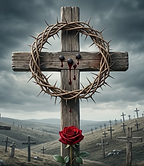


"And he shall confirm the covenant with many for one week: and in the midst of the week he shall cause the sacrifice and the oblation to cease, and for the overspreading of abominations he shall make it desolate..." — Daniel 9:27 (see also Daniel 11:31, 12:11)
The Resumption of Animal Sacrifices in Jerusalem
1. Biblical & Eschatological Prophecy
In Jewish, Christian, and Messianic eschatology, the reinstitution of the daily sacrifices (Tamid) is a key marker of end-times prophecy:
The Restoration & Cessation: Prophecy dictates that animal sacrifices must be restored before an end-times figure (the Antichrist or "prince who is to come") halts them midway through a seven-year covenant (Daniel 9:27, 11:31, 12:11).
The Abomination of Desolation: Jesus referenced Daniel regarding an abomination standing in the holy place (Matthew 24:15).
The Temple Seat: Paul noted that the "man of lawlessness" will sit in the temple of God proclaiming himself to be God (2 Thessalonians 2:4).
Requirement: For these prophecies to unfold literally, an active altar and functioning sacrifices must exist.
2. Modern Ground Preparations
Organizations like The Temple Institute have spent decades preparing for the return of the Levitical system:
Sacred Vessels & Vestments: Over 100 precise replicas—including the golden menorah, altar of incense, and high priest garments—have been crafted.
Priestly Training: Levites and descendants of Aaron (Kohanim) are trained in ritual slaughter and purification rites.
The Red Heifer: Unblemished red heifers (Parah Adumah), required by Numbers 19 for ritual purification, have been imported and raised under rabbinical supervision.
Rehearsals: Groups regularly perform practice Passover sacrifices outside the Old City walls.
3. Can Sacrifices Begin Without a Temple?
According to major rabbinic rulings (such as Maimonides), the altar precedes the building. Historically, post-exilic sacrifices resumed before the Second Temple's foundation was laid (Ezra 3). Consequently, advocates argue that a physical building is not strictly required—only a purified altar, ritually clean priests, and access to the proper site.
4. Geopolitical Roadblocks
The primary obstacles to resuming sacrifices are immense political and religious tensions:
The Status Quo: The Temple Mount (Haram al-Sharif) is managed by the Jordanian Islamic Waqf, with non-Muslim prayer and ritual sacrifice strictly prohibited.
Global Conflict: Any attempt to establish an altar or perform blood sacrifices on the site risks sparking widespread regional warfare.
Conclusion: Scholars believe the resumption of sacrifices will likely require a massive diplomatic agreement or geopolitical shift.
bottom of page