
Al di là di un dubbitu ragionevule

.jpeg)


Language


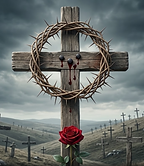


Is Easter Pagan
The Satanic Ritual of Sacrificing Children Every year, the priests of Ishtar would impregnate young virgins on an altar dedicated to herself and her husband*. The children were born on Christmas December 25, and the next year they were sacrificed on Easter Sunday at the sunrise service. The priests would take Ishtar's eggs and dye them in the blood of the sacrificed children.


Pasqua pagana
L'articulu seguente hè basatu annantu à u libru di JR Terrier "Storia di Pasqua - Hidden, Secret
Origine è Misteri Religione ". Addizioni di Alexander Light, HumansAreFree.com; Pasqua hè una celebrazione annuale osservata in u mondu cristianu. Ùn ci hè assolutamente micca versi in a Bibbia chì autorizeghjanu o appruvanu a mantene una celebrazione di Pasqua. In più, a Bibbia dice. nunda di a pratica di osservà a Quaresima, a morte di l'ova di Pasqua, a caccia di l'ova di Pasqua, i cesti di dolci, i boni - è cusì. A Pasqua hè stata longa cunnisciuta per esse una festa pagana. I fundatori di l'America sapianu questu.
U rituali satanicu di sacrificà i zitelli
Ogni annu, i preti d'Ishtar impregnavanu giovani vergini nantu à un altare dedicatu à ella è à u so maritu*. I zitelli sò nati u Natale (!!!), è l'annu dopu sò sacrificati in a dumenica di Pasqua à u serviziu di l'alba. I preti piglianu l'ova di Ishtar è i tinghjenu in u sangue di i zitelli sacrificati.
Più inconsistenze
A nostra celebrazione tradiziunale di Venneri Santu à Dumenica, però, conta solu chì Yeshua hè in u core di a terra per duie notti è un ghjornu. Eranu i fatti di a morte di Yeshua?
sepoltura, è risurrezzione apposta distorta ? Amparate quale ùn dice micca a verità - è perchè!
Barns Group survey.
"Believers don't care what the truth Is, or care what Yehovah desires from us. We are afraid of looking into, it because it will draw a line in the sand, we know we don't want to make those decisions because at the end of the day, we want what we want, we are comfortable with our lives we are comfortable out traditions that are man-made.
But you have a thought that pops into your head that's not what it means to me. The issue is it doesn't matter to you it matters to Yehovah He is the one being worshiped."
The problem facing the church is not that people lack a complete set of beliefs the problem is that have a full state of beliefs in mind, which they think are consistent with biblical teachings, and they are neither open to being proven wrong nor learning new insights. The bottom line is among both clergy and laity was indifference toward their acknowledged lack of evaluation" Barrna

Heading 6
The Day "Christianity" Overtook Christianity (Constantine vs. Passover)
To help others understand this perspective, it is often most effective to move away from modern traditions and point directly to the Biblical standard for worship.
When people argue that "Easter is for Jesus," the response from this viewpoint is typically that the motive doesn't sanctify the method. Here are the four primary pillars used to explain why this holiday is seen as problematic from a strictly Biblical standpoint:
1. The Command Against "Syncretism"
The most direct Biblical argument is that God explicitly forbids mixing His worship with the customs of other gods.
-
Deuteronomy 12:30-31: God tells Israel not to ask, "How did these nations serve their gods? I will also do likewise." He says, "You shall not worship the Lord your God in that way."
-
The Point: Even if someone intends to honor the Resurrection, using symbols originally tied to fertility deities (like eggs and rabbits) is seen as "incorporating the abominable" into the holy.
2. The Origin of the Name
While most languages use a version of the word Pascha (Passover), the English name "Easter" has no Biblical root.
-
The History: It is widely accepted (even by the 8th-century monk Bede) that the name derives from Eostre (or Ostara), a Germanic goddess of spring and fertility.
-
The Argument: If God's name is to be hallowed and kept pure, using the name of a pagan deity to title the most important event in history (the Resurrection) is viewed as a form of spiritual "compromise."
3. "The Way of the Heathen"
Jeremiah 10:2 says, "Do not learn the way of the Gentiles." This perspective argues that "Easter" as we know it is a man-made tradition that replaced the God-ordained Passover.
-
Passover vs. Easter: Jesus is our Passover Lamb (1 Corinthians 5:7). The early church kept the Passover, not a "spring festival."
-
The Argument: By shifting the focus to "Easter Sunday" (a date determined by the equinox rather than the Biblical calendar), the specific timing and meaning God established for the Messiah's sacrifice is obscured.
4. The "Golden Calf" Principle
In Exodus 32, the Israelites built a golden calf and called it a "feast to the Lord." * The Result: Even though they claimed they were worshiping the true God, He was furious because they were using a pagan image to represent Him.
-
The Lesson: This suggests that God is not honored when we choose our own "traditions" of worship, especially those borrowed from cultures He told His people to remain separate from.